
VINHISTORY · SERVICE HISTORY GUIDE
Reading VW Oil-service and Inspection Entries
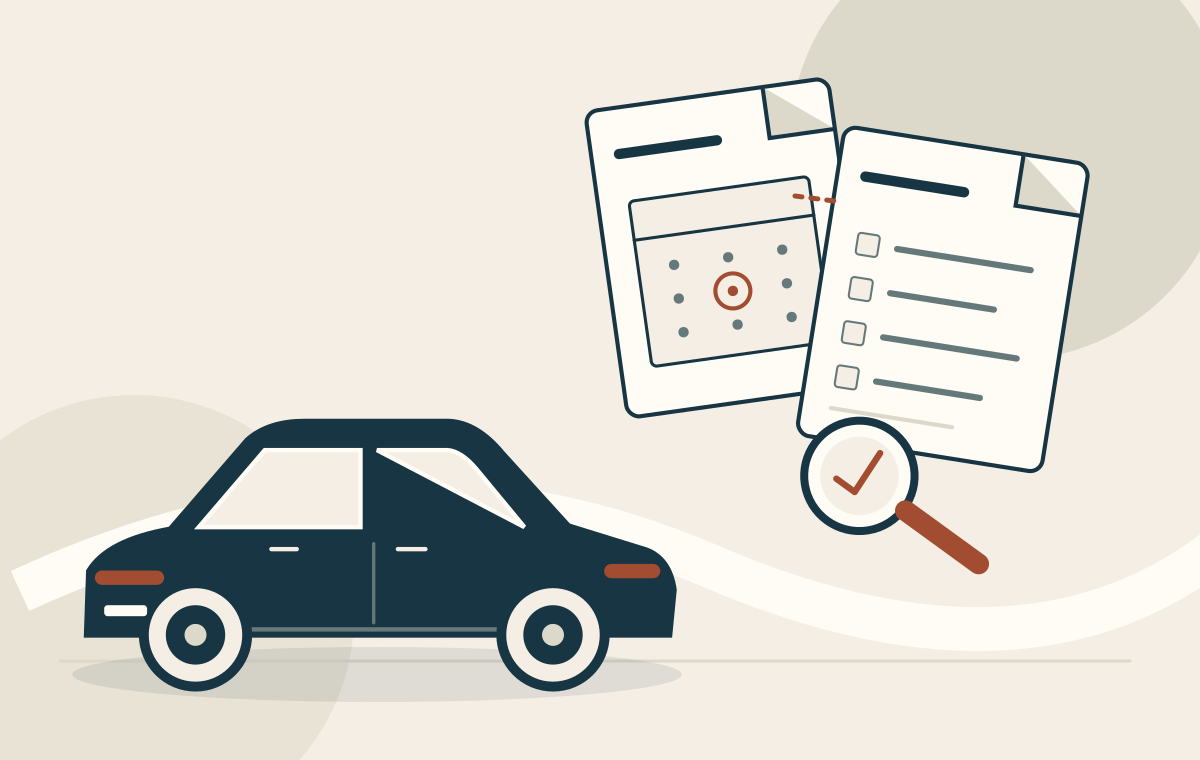
A VW oil-service entry and an inspection entry should be read for the work each one names. A visit can contain several tasks, but a single label should not be expanded into proof that every maintenance item was completed.
Identify the source and period shown
Match the VIN and keep the document’s coverage notes. VW UK explains its digital recording arrangements and the availability of workshop printouts; for the particular car, ask which visits the supplied copy contains. A print date is not necessarily the date of the work.
Distinguish oil service from inspection
| Entry describes | Read it as | Do not assume |
|---|---|---|
| Oil service | Evidence for the oil-related task stated | Every inspection or additional job was done |
| Inspection | Evidence for the inspection recorded | Every fluid, filter or component was replaced |
| Additional work | The particular extra task described | A complete service solely because the car visited a workshop |
Use the invoice to establish the precise jobs and specifications. If two entries share a date, check whether they describe one visit before counting them as separate servicing events.
THE RECORDS EXPLAINED
Compare the dates. Keep the units consistent.
Build one timeline from the available entries and invoices, then compare like with like. Keep the original reading and its unit alongside any conversion.
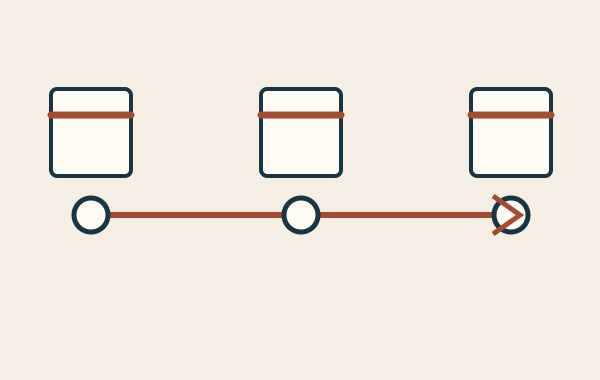
Put entries in date order
Record when each observation was made. An invoice date, workshop visit and MOT test may refer to different events.
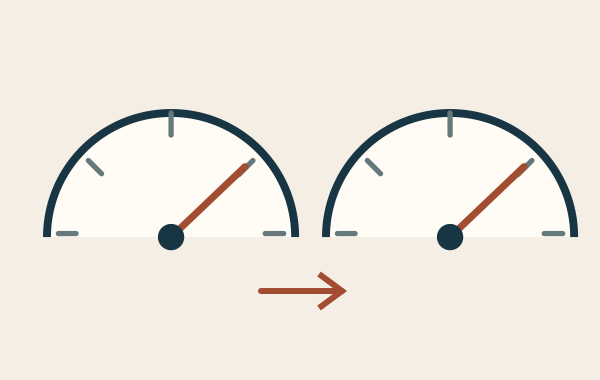
Convert miles and kilometres
For comparison, 10,000 miles is approximately 16,093 kilometres. Divide kilometres by 1.609344 to obtain miles.

Ask about inconsistencies
Check source documents if a reading falls or the units are unclear. Ask the seller or named workshop for an explanation.
Illustrative conversion only: 1 mile = 1.609344 kilometres. The rounded example is not a reading from a customer’s vehicle. A gap alone does not prove a fault or fraud.
Compare dates and mileage units
Keep the original units on each source. A document in kilometres and an odometer in miles can appear inconsistent if compared as bare numbers. Put events in date order, retain the original values and use a separate conversion column where needed. The conflicting-records guide covers unresolved differences.
Ask what an independent printout contains
VW’s servicing FAQ explains that an independent garage can add records through erWin and print its own entries, while its access to printing is not the same as a complete dealer history. Ask the workshop what its particular document covers. Do not label independent work absent merely because a different source does not show it.
Read the invoice before accepting an additional-work claim
Check the individual item, completion wording, date and vehicle identifier. The invoice checklist helps distinguish evidence from a recommendation. Dealer and independent documentation should be judged by the same evidence checks, while the digital-record guide explains how entries are created.
The VW product explains the scope of the available extract; it should be compared with invoices rather than treated as proof of unlisted work. See the VW service history report for the product details.
Related reading
- How Digital Service Records Are Created and Updated
- Dealer vs Independent Servicing: Comparing the Evidence
- Conflicting Service Dates and Mileage: What to Investigate
- Service Invoices and Stamped Books: An Evidence Checklist